
Skin Cancer
Skin cancer presents a significant health concern for individuals, with various types affecting many lives. Among these, the three most frequently diagnosed forms are basal cell carcinoma, squamous cell carcinoma, and melanoma, each with its unique characteristics and implications. Recognizing these types is essential for effective prevention and treatment, making it crucial for everyone to be aware of their risks and the importance of regular skin checks. FDL Dermatology in Arlington VA encourages awareness and proactive measures to combat this serious health issue and to promote skin health for all.
What is Skin Cancer?
Because skin cancer is one of the most common types of cancers, it’s incredibly important for our patients to spot early warning signs of skin cancer. Anyone can develop skin cancer, which is why we recommend all our patients receive an annual skin cancer screening. It’s also vital to know what to look for when it comes to changes in your own skin.
Warning Signs And Symptoms Of Skin Cancer
While melanoma is the deadliest form of skin cancer it isn’t the only type of skin cancer to be aware of. Basal cell and squamous cell carcinomas are two common types of non-melanoma skin cancers. They may be skin-colored, pink, or resemble a scar.
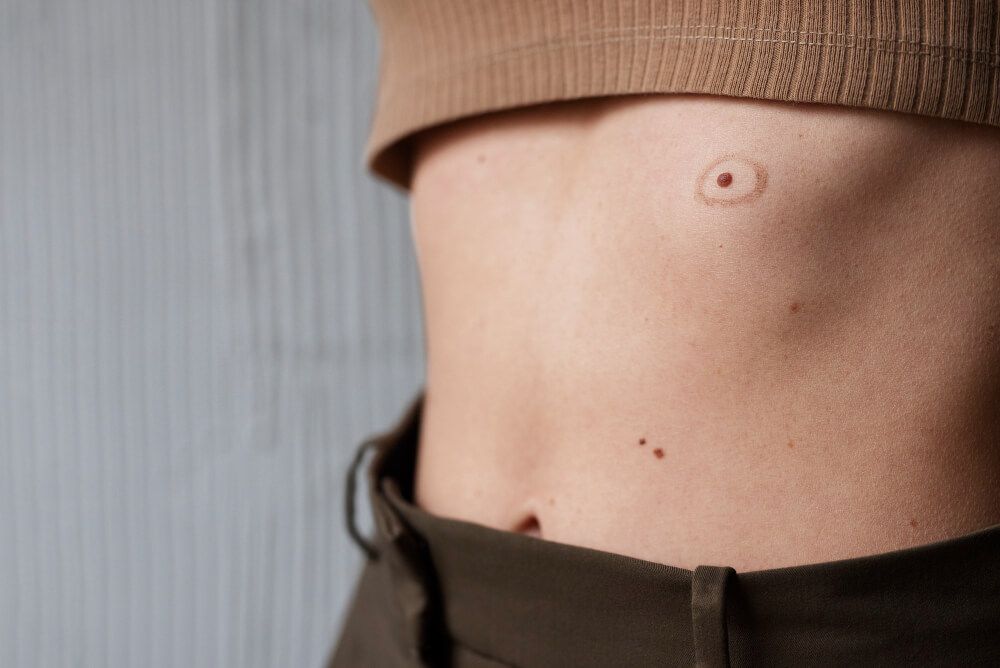
Learn to recognize any changes to a preexisting growth or mole and watch for the development of new growth. Some signs of a cancerous mole include:
- Several colors in one mole (a healthy mole is typically a single shade)
- Asymmetrical shape
- Jagged or poorly defined border
- Larger than a pencil eraser (more than 6mm in diameter)
- Bleeding, crusting, oozing, or pain
Any of these changes must be examined by our dermatologist.
Skin Cancer Prevention
Did you know that most people don’t wear sunscreen or apply it properly? Sun protection is one of the best ways to prevent skin cancer. We recommend wearing broad-spectrum sunscreen every day, regardless of whether it’s sunny, raining, or even snowing.
Sunscreen doesn’t last all day, so you’ll need to reapply it every two hours or immediately after swimming or sweating. Wearing protective clothing with tightly woven fibers, as well as a wide-brimmed hat and sunglasses, can also protect against sun damage.
It’s also important to avoid spending a lot of time in the sun, especially during the hours of 10 am and 4 pm. If you must be outside, make sure you have applied sunscreen at least 30 minutes before and that you seek shade whenever possible.
Skin Cancer Types
There are 3 types of skin cancer – basal cell carcinoma, squamous cell carcinoma, and malignant melanoma – all of which we diagnose.
Basal Cell Carcinoma (BCC)
BCC is the most common form of cancer in the United States. It occurs on areas of chronic sun exposure, such as the face, scalp, neck, and upper body.
Once detected, a BCC is simple and easy to treat. For most BCC’s, patients are referred to a Moh’s surgeon for excision and further treatment.
Squamous Cell Carcinoma (SCC)
SCC also occurs in sun-exposed areas, but they are more likely to be discovered on the lips, hands, ears, or arms. As with BCC’s, SCCs are best treated by a Moh’s surgeon. BCC and SCC often appear as a new pink `bump’ or a sore that will not heal.
Malignant Melanoma
Malignant melanoma is a very serious skin cancer because unlike BCC’s and SCCs, it can metastasize to other parts of the body (like lymph nodes, liver, and brain).
Melanomas usually present as darkly pigmented lesions with irregular borders, but some rare melanomas are skin-colored.
Because some moles can progress into melanomas, if you notice any changes in the ABCDEs, make an appointment to see Dr. Herbert as soon as possible.